
Biotechnology & Pharmaceuticals

MA (Cantab), MSc, PhD, Fellow of the Chartered Institute of Patent Attorneys, European Patent Attorney.

Michael read natural sciences (biochemistry) at Cambridge University before obtaining a PhD in biochemistry at the same university, where Merck Sharp & Dohme sponsored his research. His research involved using metabolic profiling techniques to study a childhood neurodegenerative disease. During his PhD, he authored several papers in the field of functional genomics.

Michael joined Potter Clarkson in 2006 and qualified as a Chartered Patent Attorney and European Patent Attorney in 2010. During his qualification, Michael was awarded the Peter FitzGibbon Memorial Award for obtaining the highest mark in one of his UK exams.

Michael handles a wide range of biotechnological subject matter and has particular expertise in the drafting and prosecution of patent applications concerning immunotherapy, protein stability, gene therapy, metabolic profiling, drug delivery, and assay technologies. In addition to acting before the European Patent Office, he has also managed the prosecution of several global patent portfolios, including applications in Australia, Canada, China, India, Japan and the US.

Over recent years, Michael has developed experience in the niche area of Supplementary Protection Certificates (SPCs, a form of IP that can provide an additional monopoly period beyond patent expiry for some medicinal and plant protection products). As well as authoring various articles on the topic, Michael has been involved in coordinating the prosecution of high profile SPC portfolios throughout Europe, including a case that was referred to the Court of Justice of the European Union.


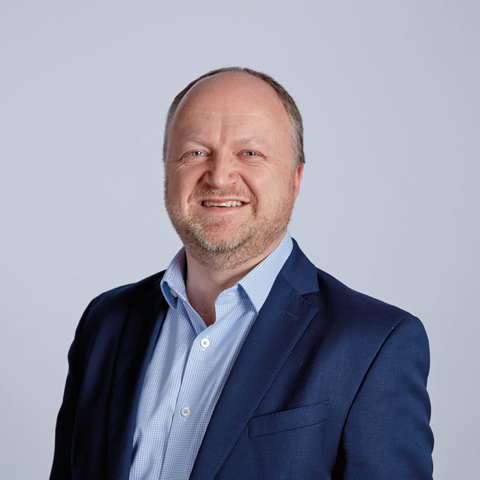
Michael Pears

Associate

" talented practitioner"

MIP

DateNews Infomation
Sep
03
2012
Neurim wins the battle but not (yet) the war for innovators

While the EU decision on supplementary protection certificates might be good news for drug companies that find new uses for 'old' active ingredients, it raises more questions than it answers and leaves lingering uncertainty for many other companies.  

Jul
23
2012
SUPPLEMENTARY PROTECTION MAY NOW BE AVAILABLE FOR PREVIOUSLY AUTHORISED ACTIVE INGREDIENTS

On 19 July 2012, the Court of Justice of the European Union (CJEU) delivered a judgement that is binding upon all EU patent offices and courts and should significantly liberalise the system of supplementary protection in Europe.

In the case in question, Neurim Pharmaceuticals (C-130/11), the CJEU upheld the validity of a Supplementary Protection Certificate (SPC) for a new medical use of a known pharmaceutically active ingredient. The ruling should allow SPCs to be based upon patents on (and marketing authorisations for) such new medical uses, regardless of the existence of earlier authorisations of the compound for different uses.

It is not yet clear whether the ruling allows SPCs for "old" active ingredients in other situations, for example based upon patents for new formulations. However, the logic of the ruling provides new hope that such SPCs might now also be allowable.


Jun
27
2012
A brave new world for supplementary protection certificates?

The opinion of Advocate-General Verica Trstenjak in the case of Neurim Pharmaceuticals (C-130/11) has the potential to greatly increase the number of medical innovations that will qualify for supplementary protection in Europe.


May
11
2012
Will Supplementary Protection Certificates soon become much more widely available?

On 3 May 2012, Advocate-General Verica Trstenjak delivered her opinion in the Neurim Pharmaceuticals case (C-130/11) that is pending before the Court of Justice of the EU (CJEU).

The opinion delivered by A-G Trstenjak is non-binding but will be taken into consideration by the CJEU when it reaches its final decision later this year. If confirmed by the CJEU, the conclusions would have a profound, liberalising effect on SPC practice in Europe for new medicinal products that contain previously authorised active ingredients.

SPCs

Supplementary Protection Certificates (SPCs) are national rights in Europe that protect authorised uses of a "product" (an active ingredient or a combination of actives) that has been subject to patent protection. The protection provided by SPCs is particularly valuable, as it can provide an effective barrier to generic competition for up to five (or even five and a half) years beyond patent expiry.

Apr
19
2012
Novartis decision completes a new model for SPCs in EU

A new European court decision completes a new model of how both availability and breadth of protection under supplementary protection certificates are to be assessed. Its confirmation of an earlier decision means SPCs will be afforded a broader scope than some had previously appreciated, report Mike Snodin and Michael Pears.

Mar
09
2012
VALUE ADDED SPCs - CJEU CLARIFIES BROAD SCOPE OF PROTECTION

Following hot on the heels of important SPC decisions issued in late 2011, the Court of Justice of the European Union (CJEU) has now issued a reasoned order in the Novartis v Actavis case (C-442/11).

Jan
24
2012
Supplementary Protection Certificates: The CJEU issues its decision in two seminal cases

On 24 November 2011, the Court of Justice of the European Union issued decisions in two cases that have important and far-reaching consequences for the application of the law relating to the Supplementary Protection Certificates (‘SPCs')

Jan
06
2012
SUPPLEMENTARY PROTECTION CERTIFICATES: SOME FURTHER TWISTS

On 25 November 2011, the Court of Justice of the European Union (CJEU) decided three cases relating to Supplementary Protection Certificates (SPCs) by reasoned order (i.e. without a hearing). The orders follow judgements already handed down in the Medeva (C-322/10) and Georgetown University et al (C-422/10) cases that we previously reported in our IP Update No. 165. The following are further points of note.

Dec
09
2011
SUPPLEMENTARY PROTECTION CERTIFICATES: THE COURT OF JUSTICE AGREES WITH POTTER CLARKSON THAT SPCs WITH NEGATIVE TERMS ARE ACCEPTABLE

The Court of Justice of the European Union (CJEU) ruled yesterday in an important case (C-125/10, Merck Sharp & Dohme Corp. v Deutsches Patent- und Markenamt), relating to Supplementary Protection Certificates (SPCs). The decision of the CJEU is binding upon all national patent offices and courts, and dictates how the term of an SPC is calculated, especially in view of a 6-month extension of term that may be available.

In essence, the CJEU has approved "Model A" of an article published on 7 July 2007 by Mike Snodin and John Miles of this firm, which introduced the revolutionary concept of zero and negative term SPCs.

That is, the CJEU has decided that SPCs can be granted even if they initially have a zero or negative term, i.e. if less than 5 years and 1 day has elapsed between patent filing and Marketing Authorisation (MA) issuance. This is because, provided that at least 4 years, 6 months and 1 day has elapsed from between patent filing and MA issuance, a zero or negative term SPC can serve as the basis for an extended SPC with a positive term.

The particular factual background to this case is discussed in our IP Update no. 153 (relating to the opinion of the Advocate-General that has effectively been confirmed by the Court). However, the essential points of the case, as well as possible actions that you may wish to take, are outlined below.

Nov
24
2011
SUPPLEMENTARY PROTECTION CERTIFICATES: THE CJEU ISSUES ITS DECISION IN TWO SEMINAL CASES

On 24 November 2011, the Court of Justice of the European Union (CJEU) delivered its judgement in two seminal cases relating to Supplementary Protection Certificates (SPCs). Potter Clarkson represented Georgetown University, University of Rochester and Loyola University of Chicago in one case and the party in the other case was Medeva. Our IP Update No 155 discusses the corresponding Advocate General's opinion, which opinion is superseded by the present judgement. The ruling provides significant clarity and is binding on all EU national patent offices and courts.

Oct
10
2011
Might you be entitled to a longer SPC term?

Mike Snodin, a member of our SPC & Regulatory group, has published an article in the journal Scrip Regulatory Affairs that challenges the manner in which many patent offices in Europe calculate the terms of Supplementary Protection Certificates (SPCs) that are based upon a centralised (European Commission / European Medicines Agency) marketing authorisation.

+ Show More