






If a competitor copies the artwork from a campaign your business created using AI, can copyright help you stop them? In the UK, it may, but much depends on how the work was created and the human creative contribution.

Being allowed to use AI-generated content does not necessarily mean you can stop others copying it.
Human creativity is the starting point
Copyright arises automatically when the legal requirements are met. There is no UK copyright registration process.
For text, images, music and software code, a central requirement is originality. Broadly, the work must reflect its author’s own creative choices. Spending time on something, or producing an impressive result, is not enough by itself.
Using AI does not automatically remove protection. Take The Beatles’ 2023 release Now and Then. Machine learning helped separate John Lennon’s existing vocal recording from the piano, allowing the song to be completed with the other Beatles’ contributions.
How much human input is enough?
There is no minimum number of prompts or percentage of editing that guarantees copyright.
A prompt asking for “a red sports car at sunset” describes a desired result. It does not necessarily make the user the author of the image’s particular composition, lighting and detail. More detailed prompts and repeated attempts may demonstrate involvement, but they do not automatically establish human authorship.
Creative rewriting, redrawing or arranging material can give rise to protection in those contributions. However, correcting a spelling mistake does not secure copyright in an entire AI-generated article.
A useful UK example is THJ Systems v Sheridan (2023). The Court of Appeal found that financial charts produced using software attracted copyright protection because they reflected their developer’s creative choices, including layout, fonts and colours.
The case concerned conventional software rather than generative AI, but it shows why the human decisions behind a finished work matter.
Can AI-generated content be protected by copyright if AI creates the whole thing?
The UK has a special provision for computer-generated works without a human author.
Section 9(3) of the Copyright, Designs and Patents Act 1988 treats the person who made the arrangements necessary to create certain computer-generated works as their author.
This offers a possible route to protection for wholly AI-generated text, images, compositions and code.
However, its application to modern generative AI remains uncertain, particularly how a work without a human author can satisfy the originality requirement.
Reform is also under consideration. In March 2026, the Government proposed removing this specific protection in the absence of evidence of its ongoing value, while retaining protection for human creativity using AI. That proposal does not itself change the existing law.
Does the type of content matter?
The same project can contain several copyright works, with different levels of protection.
- Text: Your original writing can be protected where AI helps with ideas or editing. A draft produced entirely by AI would need to be considered under the computer-generated works provisions discussed above. Copyright does not protect the underlying facts or general ideas.
- Images: An illustrator may have rights in their own drawing and creative arrangement of generated elements. Simply selecting a favourite AI-generated picture does not automatically establish human authorship.
- Software code: Original code and creative revisions can be protected. Checking that generated code works does not itself establish authorship, and copyright does not give a monopoly over a program’s functionality.
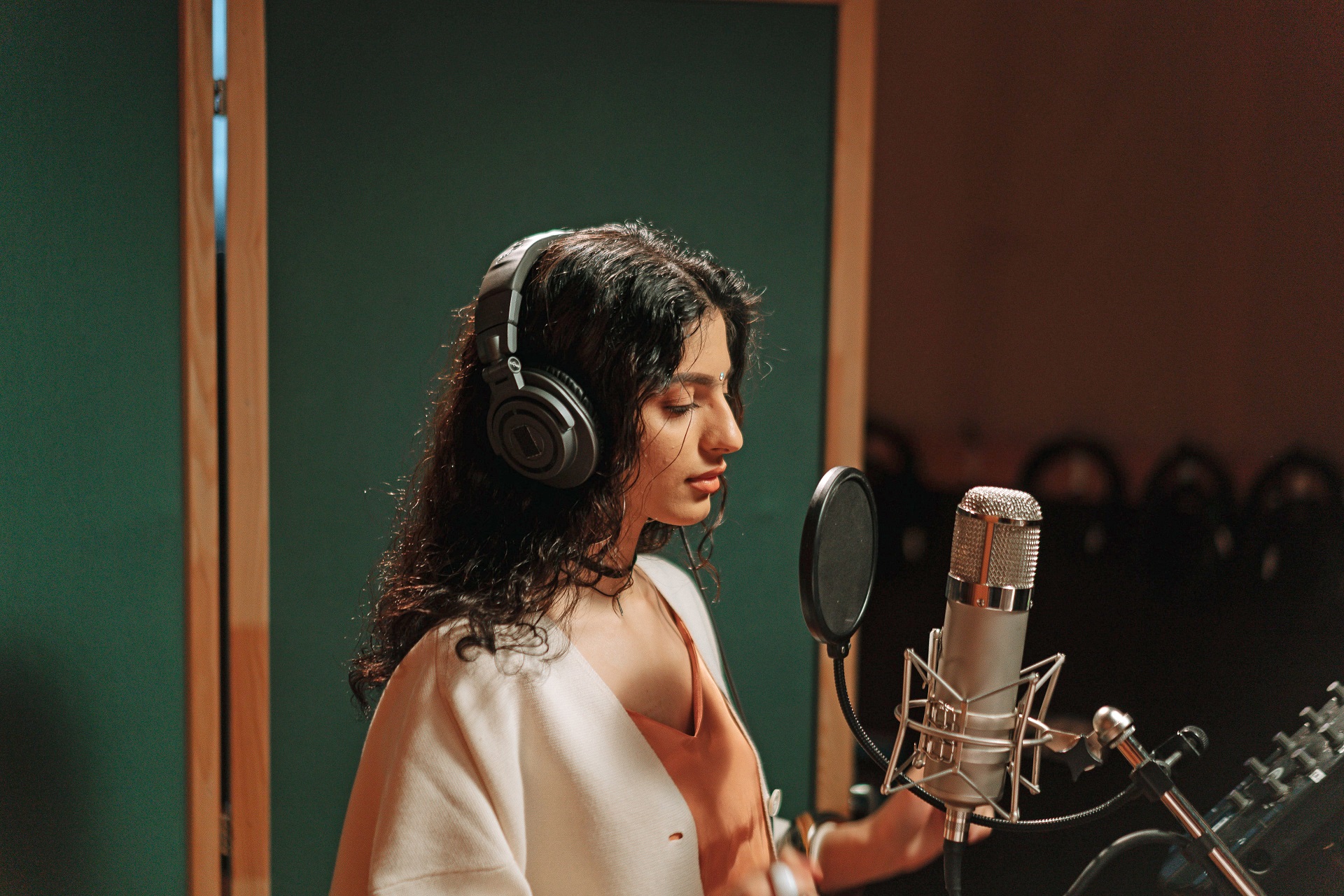
- Music and video: These can contain several layers of rights. A song may have separate copyright in its lyrics, composition and recording; a video may contain a script, music and artwork as well as the film itself.
Sound recordings and films have a further distinction: their UK protection does not depend on the same human originality requirement. A qualifying AI-generated recording or film may therefore be protected even where protection for its underlying content is uncertain.
For example, copyright in a particular recording can prevent someone from copying that recording. It does not, by itself, prevent someone making a fresh recording of the same tune.
If AI-generated content can be protected by copyright, who owns the copyright?
For human-authored text, images, music and code, the creator is generally the first owner. There are two important rules here:
- Employees: The employer usually owns copyright in work created in the course of employment, subject to any contrary agreement.
- Freelancers and agencies: Paying for work does not automatically transfer copyright. If ownership is required, obtain an appropriate signed written assignment.
For wholly computer-generated works, the question is who made the necessary arrangements. The Government’s March 2026 report suggests that, for general-purpose AI responding to a prompt, this will usually be the user. That is not a binding court ruling, and identifying the author will still depend on who did what in producing the work.
Sound recordings and films have their own authorship rules, involving the producer and, for films, the principal director.
The AI provider’s terms also need checking. A promise that you “own the output” cannot create copyright where the law provides none. Check commercial use permissions, rights retained by the provider and whether other users may receive similar outputs before promising exclusivity.
What should businesses do now?
Before your business publishes or licenses AI-assisted content:
- Keep a record of how the work was created. Retain drafts, prompts, source files and version histories showing who contributed what.
- Agree ownership. Check supplier contracts and AI platform terms before commissioning or licensing content.
- Consider overseas use. A possible UK right does not guarantee equivalent protection elsewhere.
- Review outputs before publication. AI-generated material can still infringe someone else’s copyright if it reproduces a substantial part of their protected work without permission or an applicable exception.
AI can help businesses create valuable content. Protecting that value requires a clear understanding of the human contribution and who owns the resulting rights.
Our team can help you assess if AI-generated content can be protected by copyright or find alternative forms of protection and put the necessary agreements in place. To find out more, please contact us today.